The setting
Waterfront
Do you want the water to be part of daily life at home, whether or not you take a boat out?


The view, the boat ride, and the rights that come with a property are different parts of the decision. Here’s how to compare them around Wilmington and the coast.
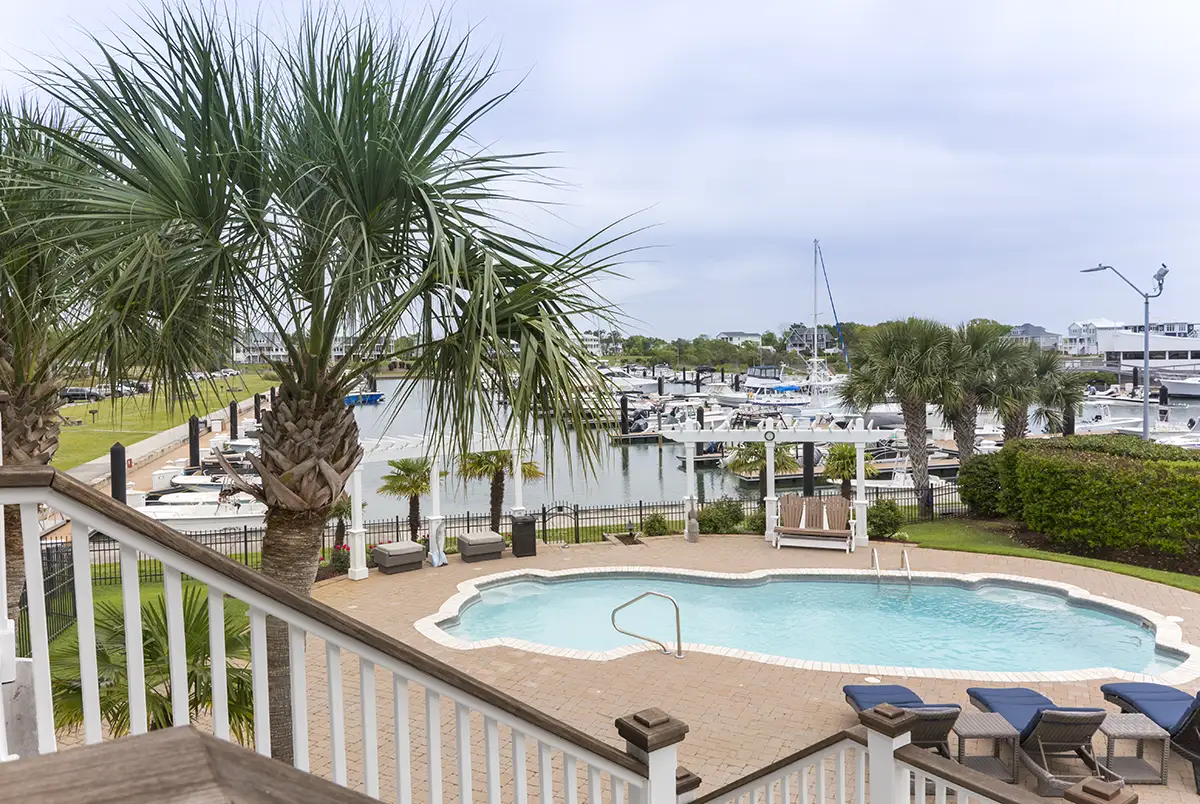
The essentials
Waterfront living elevates the experience of being home. A well-suited boat slip makes getting onto the water more convenient. Community water access may offer just what you need to enjoy the coast. We can help you find properties that fit the experience you want, then look closely at the home, the access arrangements, and the ongoing costs.
The setting
Do you want the water to be part of daily life at home, whether or not you take a boat out?
The boating routine
Does the slip fit your boat, your schedule, and the places you want to go?
The shared amenity
Is the access a boat ramp, kayak launch, or another arrangement? Can you use it as intended?
Dinner on the porch overlooking the water. Changing light across the landscape. Views that follow you from one room to another. For many buyers, the appeal of waterfront living is the everyday experience of being there.
Instead of looking primarily toward another home, you may look across a sound, canal, ocean, or the Intracoastal Waterway. The orientation of the property shapes the light and views you experience, from morning coffee to an evening outside. Each waterfront home has its own setting; two homes on the same stretch of water can feel very different.
When I talk with buyers, I want to understand whether that setting is the priority or whether the real goal is spending time on a boat. Both can matter. But separating them helps us decide where to focus the search and where to put the budget.
A 32-foot boat creates a different set of access questions than a 20-foot boat. I start with size and access: what do you own or plan to own, and do you want a dock at the property, access within the neighborhood, or a slip at an off-site marina?
An interior home with access to a slip can put more of the purchase budget toward the home itself while still supporting a boating routine. Whether that balance works depends on the actual property and slip, not simply whether a listing mentions boating.
In Hampstead, Harbour Village is one place I would investigate with a buyer who wants nearby marina access. Harbour Village Marina describes itself as a private, member-owned marina. The next step is to establish which slip arrangements are available, whether the dimensions and access suit the boat, and what is included with a particular purchase.
Helmsport, Shinn Point, Greenville Sound Estates, and Oyster Bay are other local communities I would consider when discussing a boating-oriented search. They are starting points for investigating individual properties, not a promise that every home includes a slip or the same access rights.
Harbour Village Marina: official marina information ↗A dock can be conveniently located near the house while the trip from the dock to your preferred boating waters takes longer than expected. Consider both parts: getting from the home to the boat, then getting from the slip to the ICW or your usual destination.
Ask about water depth at the dock and along the approach, including conditions at low tide. Confirm that the slip, lift, and any clearance restrictions work for your boat. A sheltered canal may offer a different experience from a dock exposed to passing traffic and wake, but you also need to account for the route out.
Look at practical details you will use repeatedly. Is water and power available? Where can you load supplies? How close is a suitable boat ramp or service facility when maintenance is needed? Frequent boaters will feel the difference between access that is technically available and access that is convenient.
Coastal slip arrangements vary considerably. Establish whether the slip is owned separately, assigned by an association, leased, or provided under another arrangement. Then ask what transfers when the home changes hands and what approvals or conditions apply.
An assigned slip is not the same as owning a transferable interest. Depending on the governing documents, there may be restrictions on who can use it, whether it can be rented, and whether it can be transferred separately from the home. Have the relevant documents reviewed rather than relying on the listing description alone.
Even ownership does not necessarily mean unrestricted use. Do not assume you can add a dock box, change a lift, or make other alterations without approval. Ask for the current rules and written clarification of anything important to your plans.
Also separate the costs. Neighborhood HOA dues may not include marina or boatowners’ association fees. Ask about current dues, approved or proposed assessments, and plans for dredging, bulkheads, dock repairs, or replacement. Review available budgets, reserve information, and meeting records with the appropriate professionals.
Water access can mean a community boat ramp, a kayak launch, or deeded access benefiting a particular group of properties. Those arrangements can each be useful, but they are not interchangeable.
Ask where the access is, which properties are entitled to use it, what activities are allowed, and whether there are hours, parking restrictions, fees, or availability limits. Review the applicable deed, easement, association documents, and current rules.
For someone who wants to launch a kayak occasionally, a simple access point may be exactly right. For someone who wants to keep a large boat in the water and use it frequently, the same amenity may not meet the need.
Coastal exposure belongs in the ownership budget. In my experience, oceanfront buyers in particular need to pay close attention to exposed metal, outdoor equipment, HVAC components, and generators. Ask inspectors and service professionals about condition, corrosion, manufacturer-recommended care, and likely replacement needs rather than assuming equipment will perform like it would farther inland.
Before making a purchase decision, obtain property-specific insurance guidance and quotes. Standard homeowners insurance does not cover flood damage, and windstorm and hail may require separate coverage if excluded from the primary policy. Discuss deductibles, exclusions, and your intended use of the home with a licensed insurance professional.
If the plan involves renting the property, explain that use when obtaining insurance and separately investigate local rental requirements and association restrictions. A waterfront location alone does not establish that a particular rental plan is permitted.
North Carolina Department of Insurance: coastal storm coverage ↗Do not assume all coastal waterfront homes have the same flood designation or building requirements. Review the current flood mapping for the property, available elevation documentation, and the applicable local requirements. Flood-zone labels alone do not tell you everything about the building’s elevation or what you can change.
Substantial improvements to a building in a regulated flood hazard area can trigger additional floodplain requirements. Before basing an offer on a major renovation, discuss the scope with the local permitting and floodplain officials and a qualified builder. Ask whether other coastal permits or approvals apply as well.
When a buyer is considering substantial work, I typically help connect them with local builders early. We can talk through the questions and help coordinate the investigation, but the relevant officials and qualified professionals need to establish what is feasible for that property. It is a conversation to have well before an offer, not after a renovation plan has become the reason for buying.
FEMA: substantial improvement and substantial damage guidance ↗If your ideal evening is dinner on the porch overlooking the water, a slip elsewhere will not replace that experience. If your priority is getting out on the boat, a well-suited slip paired with an interior home may be a compelling option.
My role is to help you distinguish those priorities, identify properties worth considering, and bring the right questions and professionals into the process. The goal is a home and access to the water that work the way you expect it to.
No. Confirm whether boating access exists, what rights accompany the property, and whether the facilities are suitable for your boat. A view of the water and usable boating access are separate considerations.
Do not assume it does. Review the ownership or assignment arrangement, transfer requirements, and governing documents for the specific slip and property.
Start with its dimensions and access requirements, then decide whether you want access at home, within a neighborhood, or at an off-site marina. Compare the complete trip from your home to the waters you use.